Field note · 4 February 2026
What a date stamp still shows after the book comes home
The due date, the return stamp, and the gap between them are a small history of grace days, renewals, and desk closures.
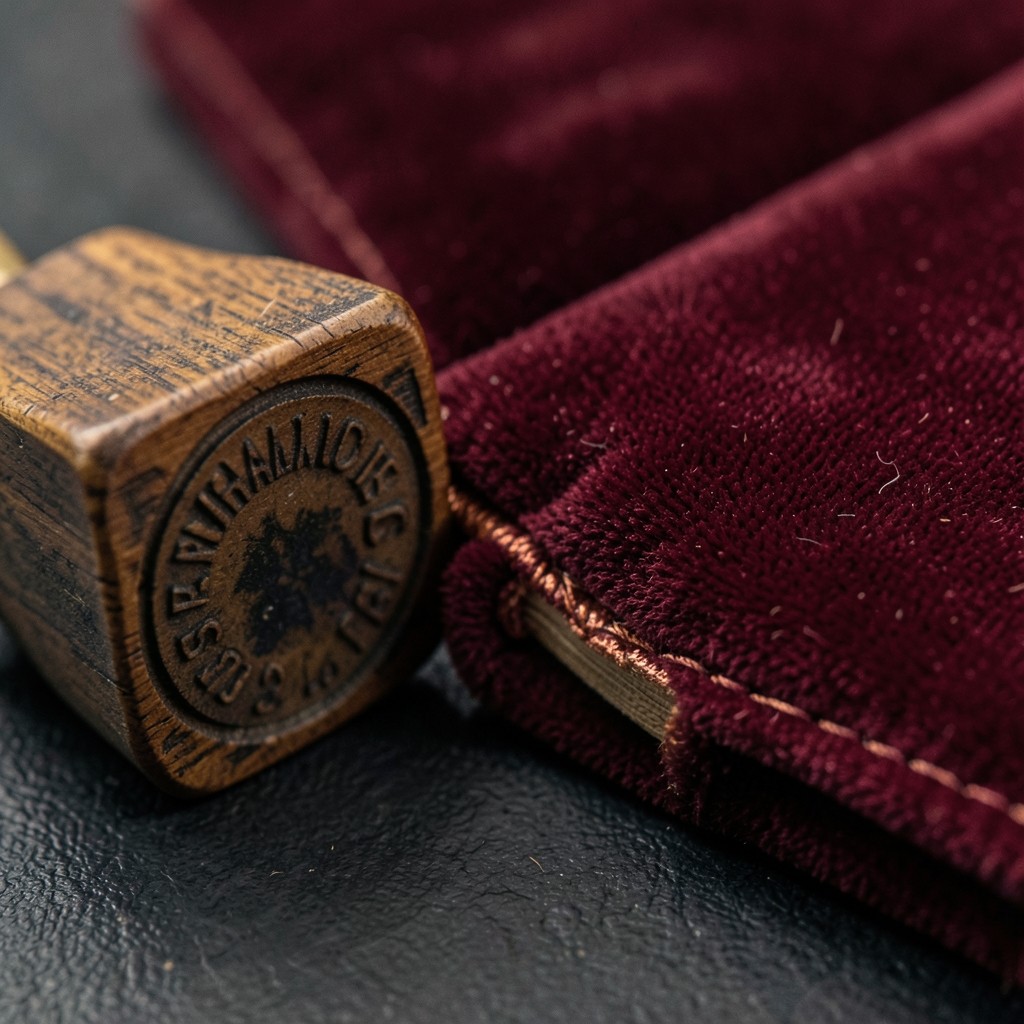
After a book is back on the shelf, the loan can look finished. The date stamp on the slip, or the paired stamps on the date label, still holds the due day and the day the book actually landed in the returns slot.
Gaps that are policy, not lateness
A gap of two days may be the grace period printed in your own guide. A gap that covers Songkran, or a campus day when the desk was shut, is a closure. If those days are counted as ordinary lateness, the overdue sheet blames readers for a holiday.
Renewals leave a stack of dates. The interesting one is often the last due date before a hold blocked any further renewal. That is the day a popular title changed from 'still with the first reader' to 'wanted by the next'. Without the hold date beside it, the stamp only looks like someone who would not bring the book back.
Buddhist Era and the borrowed pen
Many Bangkok desks stamp the year in Buddhist Era. A sheet prepared for a committee that also reads Christian Era dates needs both, written once at the top, or the season will appear to sit five centuries away. Handwritten return dates in the margin, added when the stamp pad was dry, belong in the same column as stamped ones if a librarian confirms they are real returns.
We do not treat a faint stamp as a precise hour. The stamp gives a day. The hour, if you need it, comes from someone who was on the desk, not from the ink.